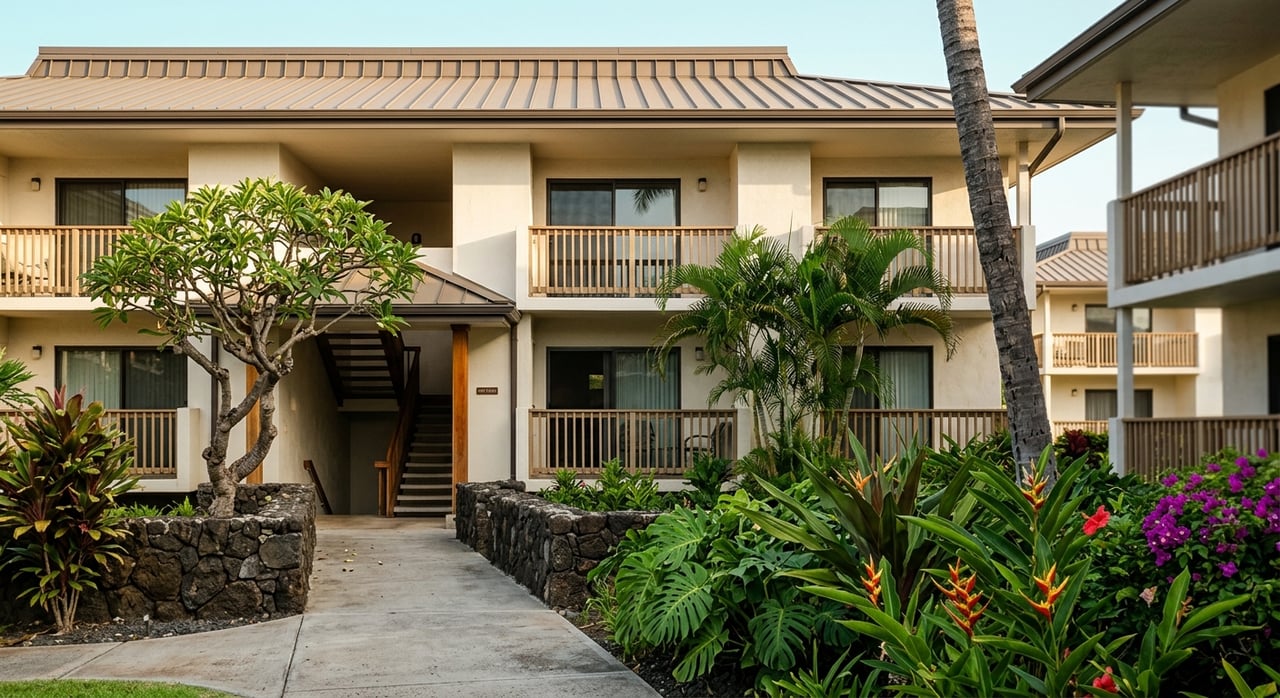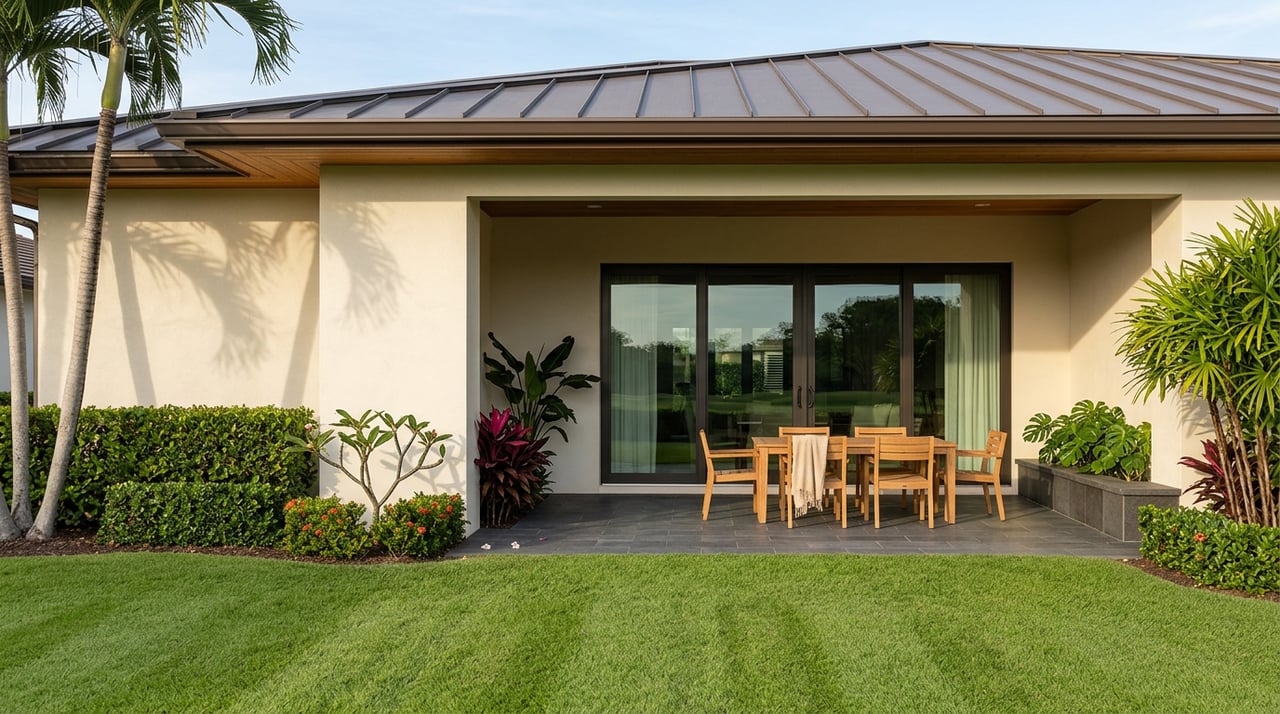
Buying a vacation home in Poipu from thousands of miles away can feel exciting and risky at the same time. You may love the photos, the ocean views, and the idea of owning on Kauaʻi’s sunny south shore, but remote purchases require a deeper level of verification. If you want to evaluate a Poipu property with more confidence, the key is to look beyond the listing and focus on location, legal use, coastal conditions, and the surrounding street experience. Let’s dive in.
Why Poipu Needs Extra Diligence
Poipu is not just a beach neighborhood. According to the South Kauaʻi Community Plan, Poʻipū functions as a beach resort area, includes the island’s largest Visitor Destination Area, and contains about 40% of Kauaʻi’s resort accommodations.
That matters because two homes with a Poipu address can offer very different day-to-day experiences. One may feel tucked away and quiet, while another may sit near busy visitor routes, beach parking, shops, or resort traffic. For remote buyers, evaluating the micro-location is just as important as evaluating the home itself.
County planning documents also describe Poipu Road as the main corridor connecting Kōloa to the resort area, with beaches, parks, accommodations, shops, and services along the route. In practical terms, you should never assume that “close to the beach” means the same thing from one property to the next.
Start With Micro-Location
Look Beyond the Poipu Label
When you buy remotely, broad area names can hide important details. Poipu includes a mix of resort-oriented properties, residential enclaves, oceanfront locations, and streets influenced by visitor activity.
A home near major attractions may offer convenience and rental appeal, but it can also come with more traffic, parking overflow, and higher daytime activity. The Hawaiʻi Tourism Authority notes that Poʻipū Beach Park is a popular South Shore destination for both visitors and locals, and nearby landmarks like Spouting Horn are major draw points as well.
Check Street Patterns and Access
Remote buyers should study how the property connects to the surrounding road network. The county’s mobility planning materials describe congestion in parts of the Poipu area and note that residents and visitors often rely on busy travel lanes where pedestrian and bike facilities are incomplete.
That means your evaluation should include more than travel time to the beach. You also want to understand traffic flow, parking patterns, turn access, nearby public uses, and what the street feels like during morning, midday, and evening hours.
Evaluate the View Carefully
Ask Whether the View Is Truly Protected
An ocean view is often one of the biggest reasons buyers focus on Poipu, but remote buyers should be careful not to rely on listing photos alone. The county states that its zoning maps are for general reference only, show approximate boundaries, and are not a substitute for official confirmation by a licensed surveyor.
In plain terms, a photo does not tell you whether a neighboring structure, roofline, vegetation line, or lot boundary could affect the actual view. If the view is part of the value, it should be verified with on-site visual review and boundary confirmation rather than assumed from marketing materials.
Consider Long-Term Shoreline Change
For oceanfront or near-ocean properties, the coastline itself is part of the due diligence. The University of Hawaiʻi Climate Resilience Collaborative reports measurable erosion in the Poʻipū study area, including an average shoreline change rate of -0.7 feet per year overall, -0.5 feet per year at Poʻipū Beach Park, and -1.1 feet per year at Brennecke Beach.
You can review that data through the Poʻipū shoreline change resources. For buyers, this means the quality of a view should be considered alongside shoreline stability, beach width, access, and longer-term property planning.
Check Sun, Wind, and Shade
South Shore Sun Is Only Part of the Story
Poipu is widely known for the sunny south shore setting. The Hawaiʻi Tourism Authority describes Poʻipū Beach Park and Poʻipū Shores as part of Kauaʻi’s sunny South Shore, which is one reason buyers are drawn to the area.
Still, a sunny region does not guarantee the same living experience from one property to another. Orientation, roof overhangs, covered lanais, neighboring vegetation, and lot slope all affect how much light, shade, and heat a home gets during the day.
Factor in Trade Winds and Exposure
NOAA’s Līhuʻe climate summary notes that Kauaʻi experiences persistent northeasterly trade winds, with rainfall varying by location and season. For a remote buyer, that makes exposure a practical issue, not just a climate note.
A home’s comfort can change significantly based on whether the lanai is protected, whether windows catch the breeze, and whether outdoor living areas stay usable throughout the day. This is especially important for vacation homes, where indoor-outdoor living is often a major part of the value.
Verify Rental Use Before You Underwrite Income
Understand Where Short-Term Rentals Are Allowed
If you are considering rental income, legal status should come before projections. Hawaiʻi treats rental income from a home, condo, or vacation home as taxable business activity, and the state explains that short-term accommodations rented for less than 180 consecutive days are subject to the General Excise Tax and the Transient Accommodations Tax.
You can review those tax rules through the State of Hawaiʻi rental tax guidance. Kauaʻi County also imposes a 3% county Transient Accommodations Tax, and state and county TAT payments are made separately.
For legality, Kauaʻi County states that any short-term rental of less than 180 days is not permitted and cannot be applied for unless the property is within the Visitor Destination Area. Because Poʻipū is identified as one of Kauaʻi’s main VDA areas in county planning materials, it is often one of the more realistic parts of the island for vacation-rental use.
Confirm Permit History by TMK
Do not assume a property is legal just because it has rental history or has been marketed as a vacation rental. Kauaʻi County says buyers should verify legal status against the approved homestays and non-conforming TVR list by TMK through the county’s Transient Vacation Rentals resources.
If a property is already operating as a TVR, the county says the seller should provide the full file documenting the non-conforming use, the latest renewal application and attachments, and the renewal letter from the Planning Department. If the facility is not listed where it should be, the county says it should not be operating.
Build a Smart Remote-Buyer Checklist
Verify the Map
Start by matching the address and TMK to county records. Review zoning information, but remember that the county’s maps are approximate and not survey-grade.
If lot lines, setbacks, access, or view corridors affect the purchase decision, a licensed surveyor should confirm those details. This step is especially important when value is tied to ocean orientation or lot position.
Verify the Coast
If the home is near the shoreline or bluff, include coastal risk in your decision early. Shoreline change should not be treated as a side note after you fall in love with the view.
Use the Poʻipū shoreline data together with county planning resources to understand how coastal conditions may affect long-term access, maintenance, and future enjoyment.
Verify Hazard Exposure
The research-based workflow for Poipu buyers also includes checking flood, tsunami, and shoreline-related issues through county planning and emergency resources. The county’s zoning and planning pages include access points for flood review, Special Management Area tools, and shoreline setback resources through the Planning Department’s mapping tools.
County emergency guidance also advises owners to learn whether a property is flood-prone, know the elevation level, identify evacuation routes to high ground, and consider flood insurance because standard homeowner’s insurance does not cover flood losses.
Verify the Street Experience
Finally, inspect how the property lives in real life, not just in the listing. In Poipu, the street, parking conditions, nearby resort uses, and access patterns can influence your experience as much as the floor plan.
A strong off-island buying process is simple: verify the permit, verify the map, verify the coast, and verify the street. In a resort-heavy area like Poipu, those four pieces should be reviewed together.
Why a Local Process Matters
Remote buying works best when you combine digital convenience with local verification. In Poipu, value is tied not only to the home itself, but also to legal rental status, the surrounding resort environment, and the long-term coastal setting.
That is why sight-unseen purchases benefit from a careful, neighborhood-level approach. When you evaluate the micro-location, view durability, environmental conditions, and permit history together, you can make a more informed decision and move forward with greater peace of mind.
If you are considering a Poipu vacation home and want grounded, on-the-ground guidance, Ilona Coffey offers experienced support for remote and sight-unseen buyers across Kauaʻi.
FAQs
How can remote buyers verify a Poipu vacation rental is legal?
- Check the property’s TMK against Kauaʻi County’s approved homestay and non-conforming TVR records on the county’s Transient Vacation Rentals page, and request the seller’s full permit and renewal file if the property is operating as a TVR.
Why should remote buyers study micro-location in Poipu?
- Poipu is a resort-heavy South Kauaʻi market with beaches, parks, shops, accommodations, and visitor traffic concentrated along key corridors, so two homes with the same area label can offer very different living conditions.
What should buyers know about ocean views in Poipu?
- A listing photo does not confirm a protected view, and buyers should review zoning context, lot positioning, surrounding structures, and, when needed, survey information because county maps are approximate.
How does shoreline erosion affect Poipu vacation homes?
- Shoreline change can affect beach width, access, and long-term enjoyment of an oceanfront setting, so buyers should include erosion data in their overall property evaluation.
Are short-term rental taxes important for Poipu buyers?
- Yes, Hawaiʻi says short-term rentals under 180 consecutive days are subject to GET and TAT, and Kauaʻi County also imposes a 3% county TAT that is paid separately from state and county TAT obligations.