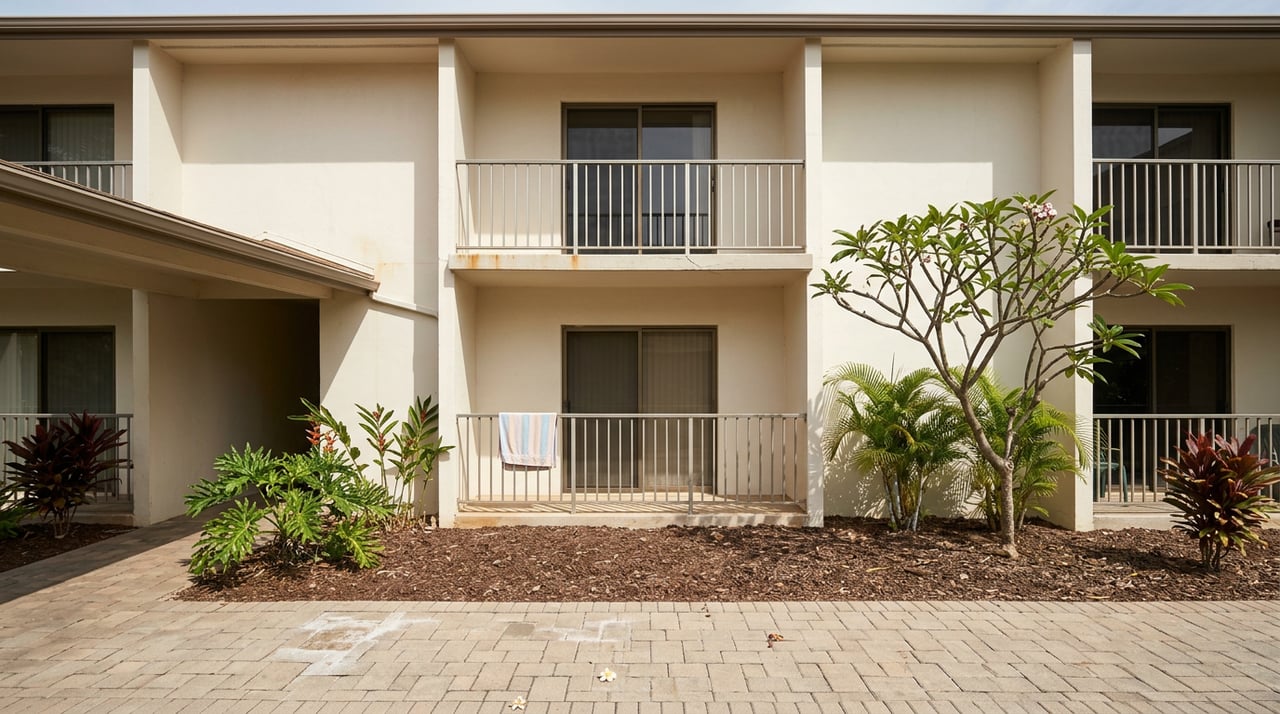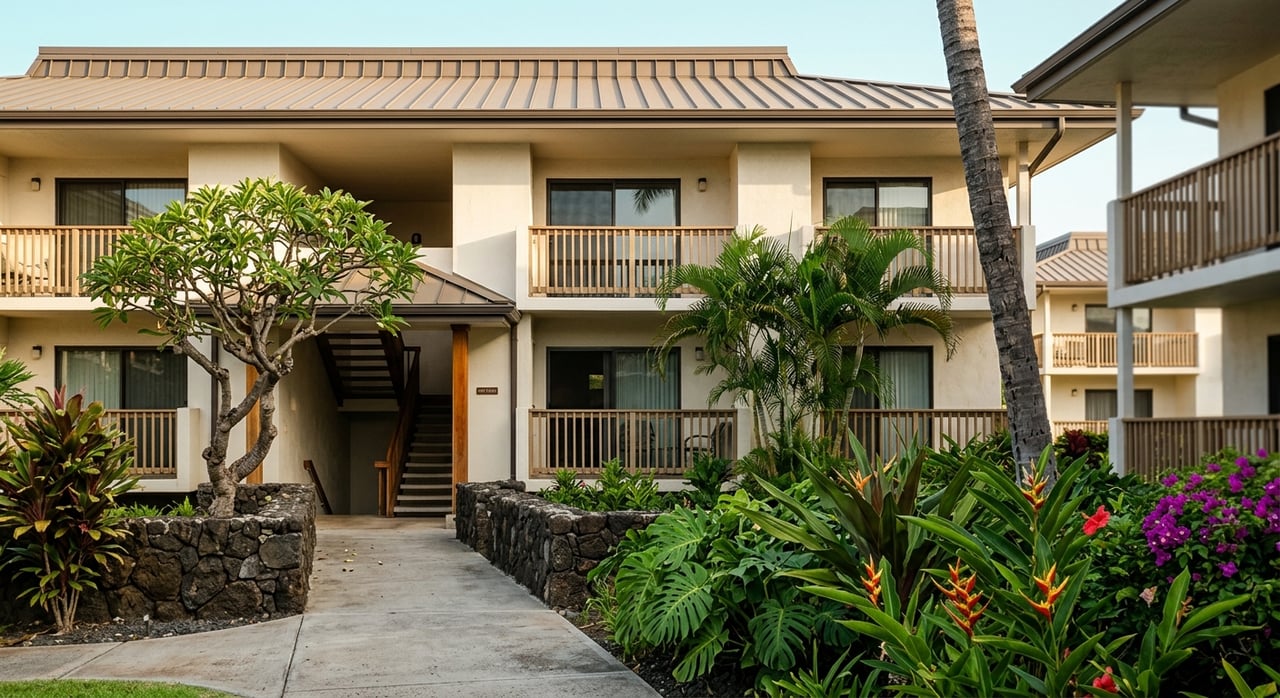
If you are looking at Kapaa condos as a way to create long-term income, the opportunity is real, but the details matter more than the headline. You want a property that can attract steady tenants, support your lifestyle goals, and still make financial sense after monthly costs. This guide will help you understand where Kapaa condos can work well for long-term investing, where the risks show up, and what to review before you buy. Let’s dive in.
Why Kapaa draws long-term demand
Kapaa stands out because it offers more than a vacation feel. It is Kauai's most populous town, and that gives it a stronger day-to-day residential base than many resort-focused areas. For an investor, that matters because long-term demand usually starts with how livable a place feels year-round.
One reason Kapaa stays appealing is the lifestyle built around convenience and access. According to Kauai County, Ke Ala Hele Makālae is an 8-mile coastal trail that connects Kapaa with Wailua Beach Park, Lydgate Beach Park, Ahihi Point, and other East Side communities. That kind of public amenity supports mobility, recreation, and everyday quality of life.
Current condo listings in the area also tend to highlight beach access, the bike path, and walkability to shops and restaurants, which reflects what draws residents and second-home owners to Kapaa. In practical terms, condos near the path or closer to town may continue to appeal to long-term occupants because the location works well for daily living, not just short visits. That is an important distinction if your goal is steadier occupancy over time.
Kapaa condo pricing in context
Kapaa can look more accessible than some other parts of Kauai, at least on paper. In August 2025, the Kawaihau district, which includes Kapaa, Wailua, and Waipouli, recorded a median condo sale price of $620,000, while the islandwide Kauai median condo price was $875,000, according to Fidelity National Title's Kauai market statistics.
At the same time, active asking prices in Kapaa can run much higher than the district median. Current inventory cited in the research shows 32 condos for sale with a median list price of $937,000, with available units ranging from about $435,000 for a studio to around $1.4 million for larger or upgraded condos. That spread tells you something important: Kapaa is not one uniform condo market.
For you as an investor, that means broad market averages are only a starting point. Building condition, HOA structure, unit size, location within the complex, and allowed use can all shift the value story quickly. A lower-priced unit with tighter rental rules may perform very differently from a higher-priced condo with more flexibility.
What the rent math suggests
Rental demand in Kapaa looks steady, but monthly cash flow can be tighter than buyers first expect. Zillow's Kapaa rental market page showed an average rent of $3,000 with 9 available rentals as of March 11, 2026. When you compare that average rent to the $620,000 Kawaihau median condo price, the rough gross yield comes out to about 5.8% before expenses.
If you use the current Kapaa median list price of $937,000, the gross yield drops to roughly 3.8% before costs. Those figures come from the pricing and rent data in the research report and are helpful as a quick screen, but they are not your net return. They do not include HOA dues, property taxes, insurance, repairs, vacancy, management, or financing.
That is why Kapaa condos are often better viewed as hybrid lifestyle-and-income assets rather than pure cash-flow plays. If your top priority is maximum monthly yield, the numbers may feel constrained. If you value steady tenant demand, East Side convenience, possible personal use, and potential tax planning options, Kapaa can make more sense.
HOA dues can change the deal
In Kapaa condo investing, HOA underwriting is not a side issue. It is one of the main issues. Recent listings in the area show monthly dues around $837, $1,181, $1,332, $1,435.56, and $1,508.
Those numbers can look high, but what is included varies by project. In some buildings, dues may cover water, trash, sewer, recycling, pool maintenance, common-area maintenance, exterior maintenance, much of the insurance, reserve funding, and even a septic-loan payment. That can offset some ownership costs, but it also means you need a clear picture of what you are actually paying for.
Before you move forward on any Kapaa condo, ask for the full HOA package and review it carefully. A condo with stronger reserves and more comprehensive coverage may be the safer long-term hold, even if the monthly dues are higher. On the other hand, a lower-fee building with deferred maintenance or weak reserves may create more risk later.
Building rules matter as much as price
A condo's allowed use can shape your income strategy just as much as the purchase price. The research report highlights that one Kawaihau complex is designated for long-term living only, with a 6-month minimum rental period and no vacation rentals. Other Kapaa condos are marketed as active vacation rentals or as flexible second-home and long-term residences.
That kind of variation is why HOA documents and house rules should be one of your first diligence steps. You need to confirm the minimum lease term, any rental caps, whether pets are allowed, parking rules, whether air conditioning installation needs approval, whether the unit can be sold furnished, reserve strength, pending special assessments, and what the master insurance policy covers.
If you skip that step, you can end up buying a condo that does not support your intended use. For remote buyers especially, this is where having a local broker who understands building-level differences can save time and reduce surprises.
Understand Kapaa rental regulations
If you are considering any form of rental income, county rules need to be part of your analysis early. Kauai County's TVR renewal application states that it is unlawful to conduct short-term rentals outside the Visitor Destination Area without a permit. You can review that directly in the county TVR renewal application materials.
For a long-term investor, this matters even if you are not planning to operate a vacation rental today. A building's location relative to Visitor Destination Area rules, combined with the HOA's own restrictions, affects future flexibility and resale appeal. It is wise to verify both the county framework and the building's governing documents before you commit.
In many cases, the strongest Kapaa investment match is a buyer who is comfortable with long-term or extended-use occupancy rather than counting on short-term rental income. That tends to align better with the area's resident appeal and with the realities of building-level restrictions.
1031 exchange potential for investors
Kapaa condos can also fit into a larger investment strategy, especially if you are thinking beyond immediate cash flow. According to the IRS guidance on like-kind exchanges, Section 1031 applies to real property held for business or investment. For a deferred exchange, you must identify replacement property within 45 days and receive it within 180 days, or by your tax return due date if earlier.
That timeline can be challenging on Kauai, where inventory and building rules vary widely. If a Kapaa condo is part of your 1031 search, it helps to narrow acceptable projects early so you are not scrambling to verify condo rules during your identification window.
Second-home buyers should also pay attention to how personal use affects investment status. The IRS safe-harbor rules for dwelling units require fair-rental use for at least 14 days in each of two 12-month periods and limit personal use to the greater of 14 days or 10% of rental days. If your personal use is too heavy, the property may no longer look like qualifying investment property for 1031 purposes.
Other tax points to know
Kauai County also offers a long-term affordable rental tax category for qualifying properties. The county says eligible leases must be one year or longer, rents must stay within HUD-based limits tied to 90% of Kauai median household income, and qualifying properties may receive beneficial tax treatment or the 3% assessment cap.
For most market-rate condo investors, that is more of a specialized planning path than a standard income strategy. Still, it may be worth asking your tax advisor about if you are comparing different hold models.
If you live outside Hawaii, keep future exit planning in mind too. Hawaii has a HARPTA withholding framework for nonresident sellers of Hawaii real property interests. If you may later sell as part of a 1031 exchange or broader portfolio plan, it is smart to coordinate with escrow and tax counsel early.
How to evaluate a Kapaa condo
If you are serious about buying in Kapaa for long-term income, focus on the few factors that tend to drive performance most.
Start with location useability
Look for condos that make sense for everyday living. Proximity to the coastal path, beach access, stores, dining, and town services can support long-term appeal. In a market like Kapaa, practical convenience often matters as much as scenery.
Review the true monthly carry
Do not stop at the mortgage estimate. Factor in HOA dues, insurance gaps, taxes, maintenance, reserve health, and the possibility of special assessments. A condo that looks affordable at the purchase stage can feel very different once you model the full carrying cost.
Confirm the rental framework
Verify county rules and the HOA's actual lease restrictions. Check minimum rental periods, waiting lists, occupancy rules, pet policies, and any use limitations. This is one area where assumptions can become expensive.
Match the condo to your goals
Be honest about whether you want pure income, occasional personal use, or a future 1031 option. Kapaa tends to work best when your expectations fit the asset. Buyers who want a blend of utility, demand, and longer-term flexibility are often the best match.
The real takeaway on Kapaa condos
Kapaa condos can be a smart long-term investment, but usually not for the reasons people assume at first glance. The strongest case is not sky-high monthly cash flow. It is the combination of real residential demand, a livable East Side location, and potential value as a lifestyle-and-income property.
That is why due diligence matters so much here. Two condos at similar price points can have very different outcomes depending on HOA dues, reserve health, rental rules, and location within the market. If you approach Kapaa carefully, with building-specific analysis instead of broad assumptions, you can make a much more confident decision.
If you are exploring Kapaa condos for long-term income, second-home flexibility, or a future 1031 exchange, Ilona Coffey can help you evaluate the numbers, building rules, and island-specific details with the kind of local guidance that makes remote and on-island purchases feel far more manageable.
FAQs
Is a Kapaa condo a good investment for long-term rental income?
- A Kapaa condo can be a solid long-term investment if you value steady demand and lifestyle appeal, but net cash flow depends heavily on HOA dues, insurance, taxes, and building rules.
What is the average rent for Kapaa rentals?
- Zillow's Kapaa rental market page showed an average rent of $3,000 as of March 11, 2026, with 9 available rentals.
Are all Kapaa condos allowed to be rented short term?
- No. Kauai County rules and individual HOA restrictions both matter, and short-term rentals outside the Visitor Destination Area generally require the proper permit.
Why are HOA dues important when buying a Kapaa condo?
- HOA dues can materially affect your monthly return, and in Kapaa they may range from hundreds to over $1,500 per month depending on the project and what the dues include.
Can a Kapaa condo work in a 1031 exchange strategy?
- Yes, if it is held for business or investment use and meets IRS requirements, but personal use patterns and strict 45-day and 180-day exchange deadlines are important to review with qualified tax professionals.
What should you review before buying a Kapaa investment condo?
- You should review lease terms, rental caps, HOA financials, reserve strength, special assessments, insurance coverage, parking, pet rules, and whether the building supports your intended use.