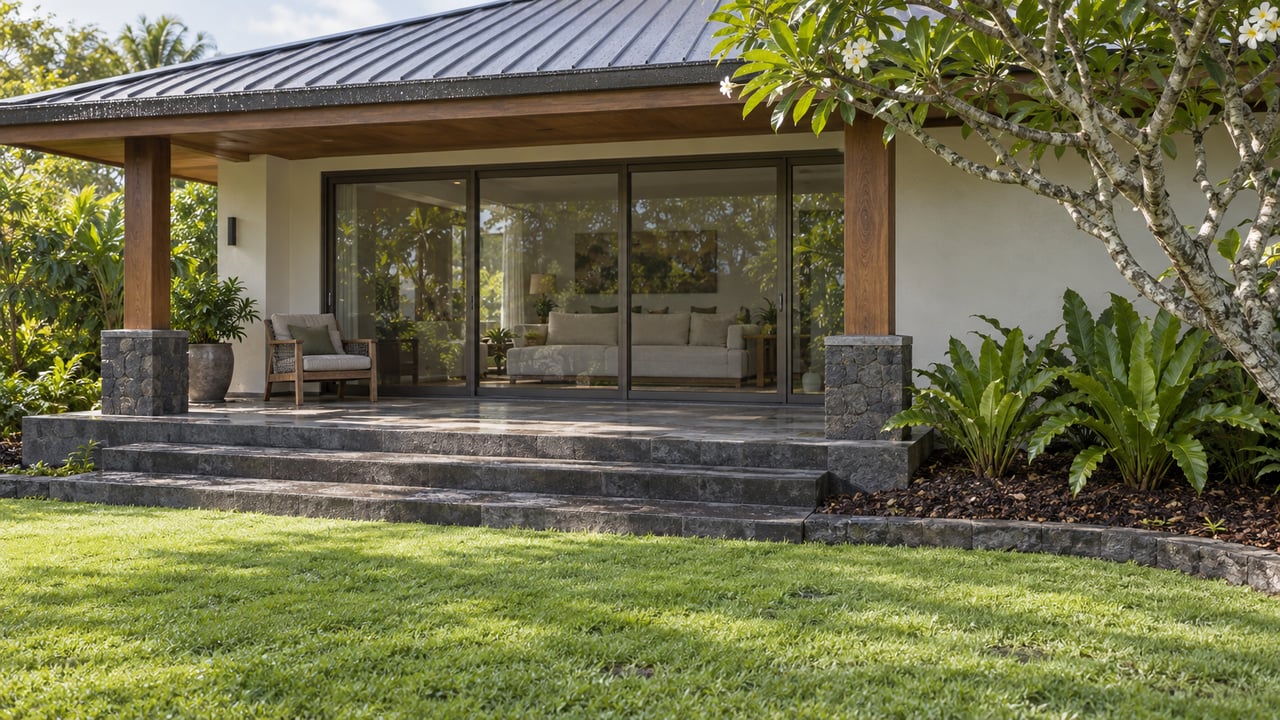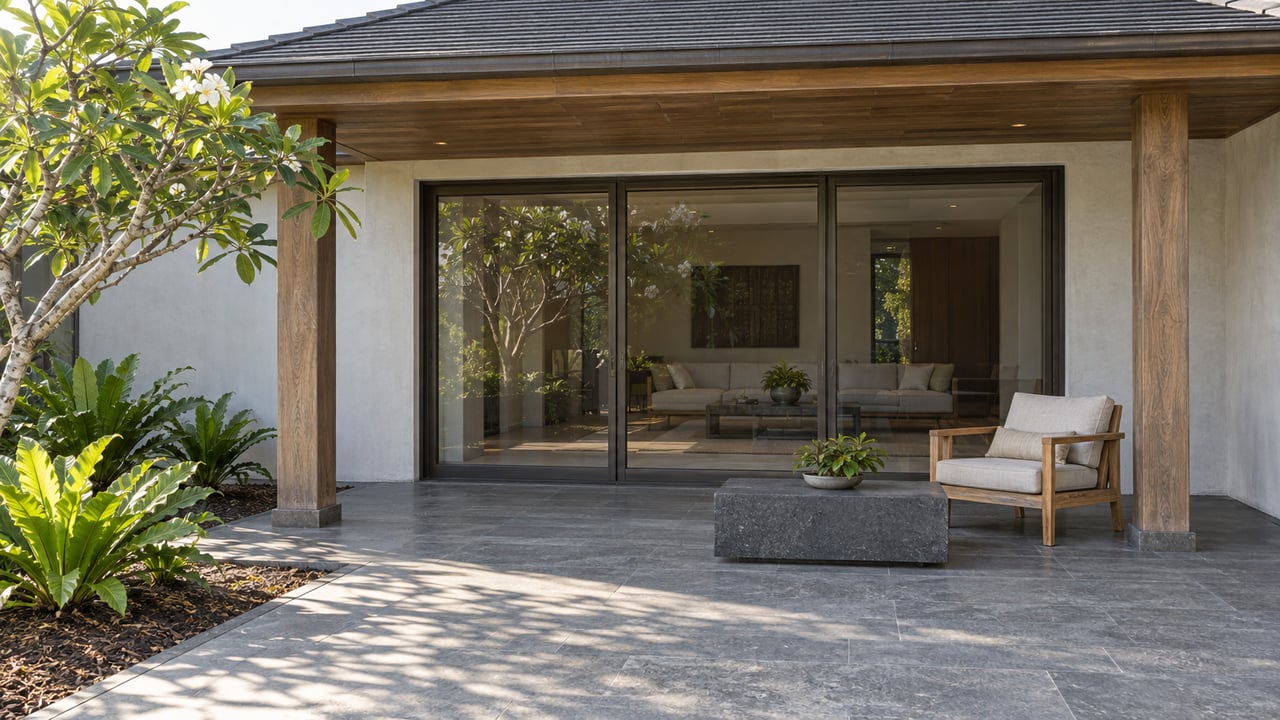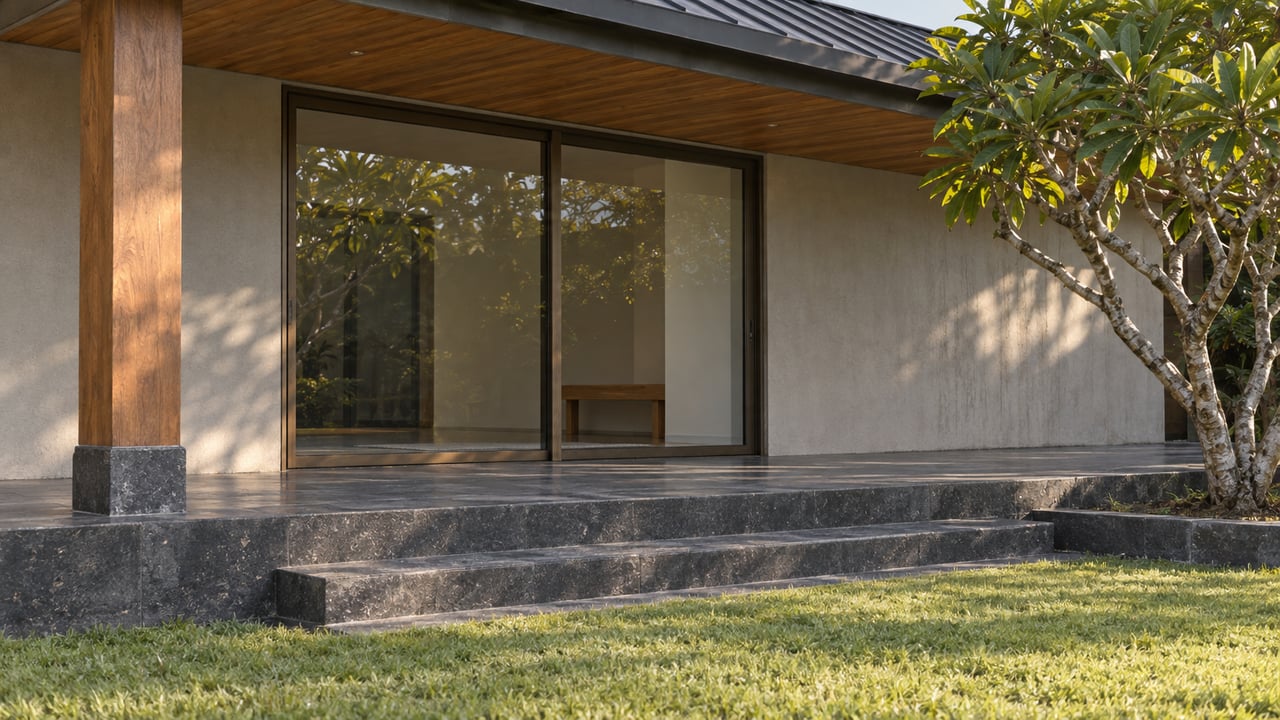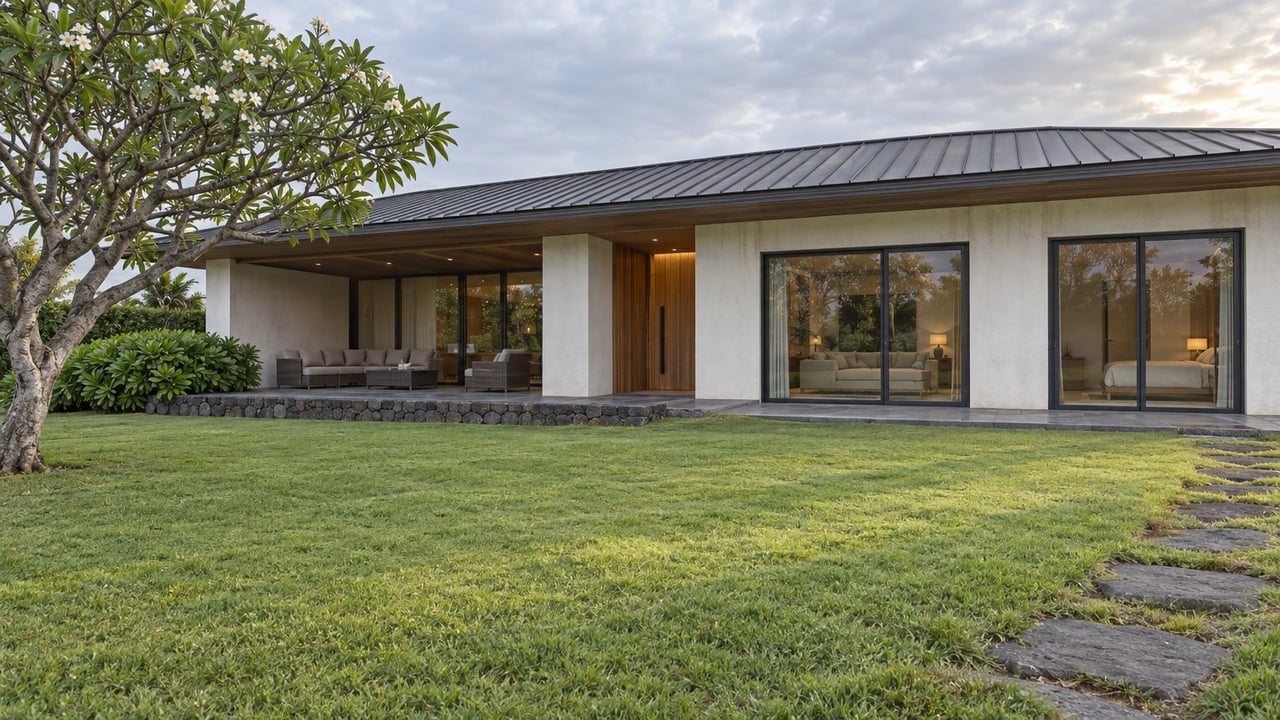
"Kiahuna Golf Course is more than a place to play." That's how Tom Donahue, founder and CEO of True North Companies, described the 18-hole Robert Trent Jones Jr. course in a May 2026 First Call Golf report announcing that Troon Golf would take over its day-to-day operations. For owners of the 94 homes that make up Kiahuna Golf Village, many with backyards and lanais that look straight onto those fairways, the course's management is one factor that may affect how the fairways are maintained over time.
To see how Kiahuna’s arrangement compares with other golf neighborhoods, it helps to look at Kukui'ula.
A New Name on the Clubhouse Door
Kiahuna Golf Club opened in 1984 on 144 acres in Poipu, was rebuilt in 1992 after Hurricane Iniki tore through the south shore, and has changed hands and management more than once since. Since May 2026, Troon Golf, the resort and daily-fee division of the world's largest golf management company, has held the operating contract. Troon's Hawaii director of operations, Melissa Dupuis, framed the move as a commitment to improving guest experience and investing in sustainability at the course. True North Companies, Donahue's ownership group, remains the owner of record.
None of that changes what the neighborhood looks like today. The course is still the same par-70, 6,787-yard layout winding past lava rock formations and ancient Hawaiian archeological sites. Troon's arrival may affect spending on turf, irrigation, bunkers and the clubhouse over the next several years.
How Kiahuna's Golf Course Differs
Kiahuna Golf Village and Kukui'ula have different relationships between residential ownership and golf-course membership. At Kukui'ula, the golf course is part of a private club. The course at Kukui'ula was built for its residents. The course at Kiahuna was built as a stand-alone, walkable, player-friendly daily-fee facility that anyone can book online, and it has operated that way since 1984.
Recent visitor reviews describe the course as manicured and improved compared to a decade ago, with green fees running in the $95 to $105 range, but the same reviews note tee boxes and greens with burnt patches.
When comparing Kiahuna Golf Village with a private-club neighborhood, buyers can consider the course's condition and management.
A Previous Course Renovation
The course's history includes a period of deterioration followed by a renovation.
After Hurricane Iniki's damage in 1992, the course was owned by a Japanese company, and through the rest of the 1990s it deteriorated. By the early 2000s it had, by most accounts, gone to seed. In 2003, a group of local homeowners bought the course outright and put roughly four million dollars into renovating it, including switching to Seashore Paspalum turf, a more drought-tolerant, lower-maintenance grass. The course's condition and reputation recovered over the following years, and homes bordering the fairways saw their values rise alongside it.
The course's condition is not fixed in the way a mountain view is; it can change with maintenance and investment decisions made by its owner and operator. That history provides context, but it does not predict what Troon's management will bring; future maintenance and investment decisions remain to be seen.
What to Ask Before You Write an Offer
If you're seriously considering a home in Kiahuna Golf Village, the golf course itself deserves the same due diligence you'd give a shared wall or a private road. A few specific questions are worth asking before you write an offer, not after:
- What is the length and structure of Troon's management contract with True North Companies, and is there any public timeline for capital improvements to the course?
- Is your specific lot's view or proximity dependent on a particular hole or section of the course that has a documented maintenance history, good or bad?
- What do your HOA's CC&Rs say about golf course views, easements, or maintenance standards, and what role, if any, does the association have in relation to the course?
Recent inventory in the neighborhood gives a sense of what buyers are paying for that fairway proximity. Condo options in Kiahuna Golf Village have been listed in the $800,000 to $1.6 million range this year, and single-family homes fronting the course have traded well above that. A four-bedroom, golf-course-frontage home in the neighborhood was listed earlier this year at just over three million dollars. Buyers can weigh those listings alongside the course's condition and management.
None of this means Kiahuna Golf Village is a bad buy. The neighborhood's appeal—quiet streets, mature landscaping, proximity to Poipu Beach and the Shops at Kukui'ula, and walkability—hasn't changed. The May 2026 operating change is another development in the course's management history, and buyers can consider course maintenance alongside the other features of a fairway-facing home.
Quick Answers
What kind of golf course is Kiahuna Golf Club? Kiahuna Golf Club is a public, daily-fee course. Anyone can book a tee time.
Has a change in golf course management affected home values here before? The course was renovated after a group of local homeowners bought it in 2003. Rising prices for homes along the fairways coincided with the course's recovery, but the timing alone does not show how much course conditions influenced those prices.
If you're weighing Kiahuna Golf Village against other South Shore neighborhoods and want a clear read on what a property's specific golf frontage is actually worth given where the course stands today, Ilona Coffey can walk you through the comparison in person or over video, wherever you're calling from. Request a private Kauai consultation and get the full picture before you write an offer.
This article is general information, not legal, tax or financial advice. Consult a qualified professional about your situation.